
Tanya runs through the Botanical Garden every week. She has done this through every season, including winter. What she notices now is different from before — not the running itself, but what the garden shows her: how a season shifts, how a flower appears and disappears, how life moves in circles whether or not we are paying attention.
The war, she says, made her start paying attention.
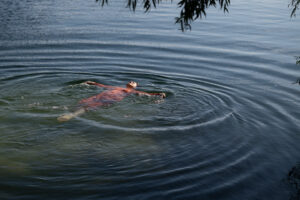
“YOU BEGIN TO SEE DEPTH IN EVERYTHING. YOU ASK BIGGER QUESTIONS. LIFE BECOMES MORE MEANINGFUL — NOT LESS.”
She researches Ukrainian diaries and archives — voices of people who lived through other impossible times. Reading them, she recognised something: the experience of survival has always carried this same quality of deepening. You lose the surface. What remains is essential.
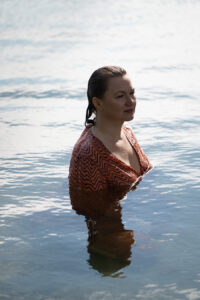
Her place of strength shifted too. Before the war, it was a dacha in the Kharkiv region. Now it is unreachable. But Ukraine itself became the answer — a two-day trip to Odesa, three days in the Carpathians where she woke on the second morning and felt her body release in a way she had never felt anywhere else.
Once a year, the moment curfew lifts, she drives with friends to Blakytnе Lake to watch the sunrise. Tablecloth, folding chairs, coffee. That ritual was born during the war — because five in the morning was suddenly available.
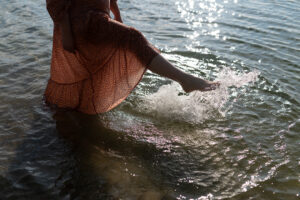
“On nature, doing nothing feels like fullness. At home, it feels like emptiness.”
Project: Healing Land.Voices Voice: Tanya Location: Kozyn, Kyiv region, Ukraine